

Registering a car in California is a vital process that ensures vehicles on our roads meet safety standards and are traceable through proper documentation. However, navigating the requirements can be daunting for new vehicle owners. Understanding the steps involved, especially when it comes to verifying the Vehicle Identification Number (VIN), is crucial to ensure a smooth registration experience. This article serves as your comprehensive guide, offering step-by-step instructions on how to register a car in California, including the essential role of a DMV VIN verifier in validating your vehicle’s history.
- Prepare Required Documents for Car Registration
- Visit California DMV: Step-by-Step Process
- Verify Vehicle Identity with DMV VIN Verifier
- Complete the Registration Application Form Accurately
- Pay Car Registration Fees and Receive Your Plate
Prepare Required Documents for Car Registration

Before you begin the car registration process in California, it’s crucial to gather all the necessary documents and ensure they are in good order. One of the essential steps is preparing your vehicle’s identification number (VIN) verification, which can be efficiently handled through a DMV VIN verifier or even a mobile VIN inspection service. These methods offer convenience and accuracy, ensuring that your car’s history is accurately represented.
For instance, when conducting a mobile VIN inspection, an authorized technician will use specialized equipment to retrieve detailed vehicle information from the VIN. This includes data on manufacturing, model year, engine specifications, and even previous ownership records. In California, where vehicle registration is a stringent process, having this data readily available can significantly streamline things. It’s advisable to choose a reputable service that complies with state regulations, ensuring your peace of mind.
In addition to the VIN verification, you’ll require several key documents: a valid driver’s license, proof of insurance, and perhaps most importantly, the original certificate of sale or purchase agreement. If you’ve recently bought a car, ensure that the seller provides these documents to facilitate a smooth registration process. For older vehicles, a historical vehicle registration or title might be needed, further emphasizing the importance of thorough preparation.
Remember, California’s Department of Motor Vehicles (DMV) has strict guidelines for car registration. Providing accurate and complete documentation is vital to avoid delays or issues down the line. So, take the time to organize these essential papers, ensuring they meet the requirements. This proactive approach will not only make the registration process more efficient but also guarantee that your vehicle’s records are secure and up-to-date.
Visit California DMV: Step-by-Step Process
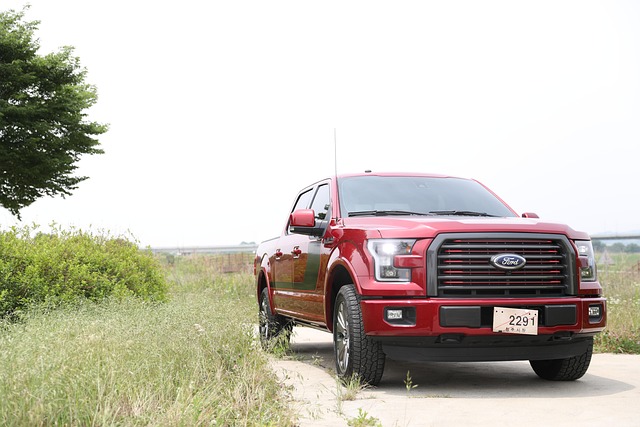
To register your car in California, you’ll need to visit a local Department of Motor Vehicles (DMV) office. The process is straightforward, but it’s crucial to be prepared with all necessary documents and information. Start by gathering important materials such as your vehicle’s registration from its previous state, proof of insurance, and a valid driver’s license. Additionally, ensure you have your Vehicle Identification Number (VIN) ready, as the DMV will require this for verification purposes. The VIN is typically located on the vehicle’s certificate of origin or on the dashboard near the window.
Upon arrival at the DMV, locate the section dedicated to vehicle registration. An agent will guide you through the process, which involves filling out forms and providing relevant documentation. One key step is the VIN verification, where the agent will cross-reference your car’s VIN with their records to ensure its authenticity and history. If you’re in a rush or have mobility issues, consider utilizing the DMV’s mobile vin verification service. This allows for a remote inspection of your vehicle’s history, saving time and effort.
During the inspection, an official will physically examine your car, checking for any signs of damage or tampering. They’ll also verify that all components, from lights to safety features, are functioning correctly. Once your vehicle passes this vin inspection, you can proceed with the registration. The agent will process your application, calculate the registration fees, and issue a new registration certificate. It’s advisable to complete this process as soon as possible after purchasing your car to avoid any legal issues related to unregistered vehicles.
Verify Vehicle Identity with DMV VIN Verifier
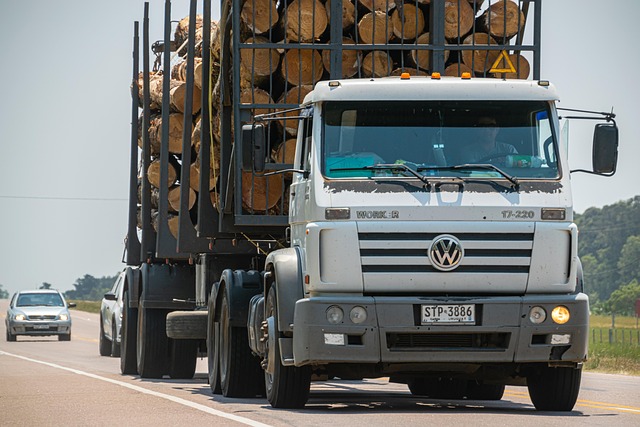
Verifying the identity of your vehicle is a crucial step in the car registration process in California. One effective method to ensure accuracy is through utilizing the Department of Motor Vehicles (DMV) Vehicle Identification Number (VIN) Verifier service. This tool plays a pivotal role in establishing the authenticity of your car, preventing fraud and ensuring compliance with legal requirements. The VIN, a unique code imprinted on the vehicle’s chassis, serves as its fingerprint, providing vital information about its make, model, and production history.
When you approach the DMV to register your car, they may request a mobile VIN inspection or verification as part of their routine checks. This process involves using a digital device to capture the VIN from your vehicle’s label and cross-referencing it with the DMV’s database. The system will then provide details about the vehicle’s history, including any prior owners, service records, and potential recalls, offering a comprehensive snapshot. For instance, a recent study revealed that nearly 20% of vehicles with reported odometer rollbacks had their true mileage uncovered through mobile VIN verification.
To facilitate this process, many California DMV locations now offer mobile VIN inspection services. This means you can verify your vehicle’s identity on-site, saving time and effort. It’s advisable to check with your local DMV for their specific procedures and requirements. By incorporating the DMV VIN Verifier into the registration process, California drivers can ensure a smoother, safer, and more transparent car ownership experience.
Complete the Registration Application Form Accurately

Registering a car in California involves several crucial steps, and one of the most important is completing the Registration Application Form accurately. This form is your gateway to legal operation on California’s roads, ensuring your vehicle meets all safety and environmental standards. Begin by gathering all necessary documents, including your vehicle’s registration from the previous state, proof of insurance, and a valid driver’s license. Next, carefully review each section of the application, ensuring that all information is correct and up-to-date. This includes accurate details about your vehicle, such as the make, model, year, and Vehicle Identification Number (VIN).
The VIN is a critical component in the registration process, serving as a unique identifier for your car. In California, you must provide a valid VIN inspection or verification to complete the registration. You can conduct this inspection at a designated DMV office or utilize a mobile VIN inspection service that comes to your location. This step is essential because it confirms the vehicle’s authenticity and history, helping to prevent fraud and ensuring compliance with environmental regulations. For instance, the California DMV offers online tools and resources for both traditional and mobile VIN inspections, making it easier than ever to meet this requirement.
To ensure accuracy throughout, double-check your answers for any discrepancies or mistakes. An error in your vehicle’s description or VIN can lead to delays or even rejection of your application. Remember that attention to detail is key when registering a car in California. By completing the Registration Application Form precisely and utilizing available resources like mobile VIN verification services, you set yourself up for a smooth registration process and peace of mind on California’s roads.
Pay Car Registration Fees and Receive Your Plate

Paying for car registration and obtaining your license plate is a crucial step after completing the initial registration process at the California Department of Motor Vehicles (DMV). This involves several actions designed to ensure vehicle safety and proper documentation. The DMV requires all vehicle owners to pay the corresponding fees, which vary based on factors like vehicle type and age. Once these fees are settled, the DMV will issue a registration certificate and, in most cases, an official license plate.
The process can be streamlined through the use of modern technologies, such as mobile VIN verification tools. These applications allow for convenient and efficient vehicle inspection by cross-referencing the Vehicle Identification Number (VIN) with state databases to confirm the vehicle’s identity and history. For instance, a mobile VIN verifier can check for outstanding warrants, salvage titles, or odometer rollbacks—all critical aspects of ensuring a vehicle is safe to register. This technology is particularly useful for both individual car owners and DMV staff as it streamlines the inspection process and reduces potential errors.
After confirming that all fees are paid and required documents are in order, including proof of insurance and any applicable emissions tests, you’ll be ready to receive your license plate. The DMV will attach the plate to your vehicle, making it legally registered and roadworthy. It’s important to note that specific procedures might vary slightly based on location within California, so always consult local DMV guidelines for up-to-date information. This ensures a smooth transition from registration to driving, emphasizing the state’s commitment to efficient, secure vehicle documentation processes.
By meticulously preparing the required documents, navigating the California DMV’s step-by-step process, verifying vehicle identity using a DMV VIN Verifier, and accurately completing the registration application, you can efficiently register your car. Ensure all information is precise to avoid delays. Payment of the necessary fees culminates in your receipt of personalized license plates, marking a successful registration. This structured approach, detailed in this authoritative guide, empowers you to confidently and correctly register your vehicle in California.