

Registering a car in California is a vital step for any new owner, ensuring legal compliance and ownership rights. However, navigating the process can be confusing, with its unique requirements and paperwork. This article serves as your comprehensive guide, demystifying every step involved. We’ll walk you through the essentials, from gathering necessary documents to using a VIN verifier to ensure the vehicle’s authenticity. By the end, you’ll have a clear understanding of how to register seamlessly, providing peace of mind and saving valuable time.
- Understanding California Car Registration Requirements
- Gathering Necessary Documents for Registration
- Using VIN Verifier for Accurate Data Entry
- Completing the Registration Application Process
- Submitting and Paying for Your Car Registration
Understanding California Car Registration Requirements

Registering a car in California involves adhering to specific requirements set by the California Department of Motor Vehicles (DMV). One crucial aspect is ensuring the vehicle’s Vehicle Identification Number (VIN) is accurately verified and documented. The VIN is a unique code that identifies your vehicle, and its inspection plays a vital role in the registration process. A proper VIN verification ensures the car’s history is accurately represented, protecting both owners and potential buyers from fraud or hidden issues.
In California, a VIN inspection typically involves cross-referencing the provided number with official databases to confirm its authenticity. This can be done through various methods, including traditional, in-person inspections at DMV offices or more modern approaches like mobile VIN verification services. The latter, often facilitated by specialized apps or tools, allows for remote, real-time VIN checking using a smartphone or tablet, providing convenience and speed. For instance, many car dealerships in California now offer this service to streamline the registration process for their customers.
When conducting a VIN inspection, it’s essential to consider not only the number’s validity but also any historical data associated with it. This includes accident reports, title records, and maintenance histories. A comprehensive VIN inspection is crucial for identifying potential red flags that could impact the car’s safety or value. For example, a vehicle with a history of severe accidents might have structural damage that requires specialized repairs, which could affect registration eligibility. Utilizing mobile VIN verification tools equipped with advanced data analytics can aid in detecting such issues early in the registration process.
Gathering Necessary Documents for Registration

Registering a car in California involves a meticulous process, and one of the critical steps is gathering all the essential documents. This phase is often overlooked but can significantly impact a seamless registration experience. The primary document you’ll need is the Vehicle Identification Number (VIN) verifier, which ensures the vehicle’s authenticity and history. Many residents opt for convenient mobile VIN verification services, allowing them to complete this task from the comfort of their homes.
A valid driver’s license or ID card topsthe list of required documents, along with proof of insurance and a bill of sale or purchase agreement. It’s essential to keep these documents up-to-date and readily accessible. For example, if you’ve recently purchased a used vehicle, obtain an odometer reading from the seller and ensure it matches the one displayed on the car’s dashboard. This simple step can save you time and potential headaches later in the registration process. Additionally, some counties in California may require a smog certificate or emissions test report, especially for older vehicles.
Utilizing mobile VIN inspection tools can streamline this documentation gathering process. These services allow owners to quickly verify their vehicle’s history by entering the VIN number, providing instant access to detailed information about the car’s past, including any accidents, outstanding loans, or recall issues. This modern approach to registration preparation ensures a more efficient and transparent experience, particularly for those who value their time and prefer digital solutions.
Using VIN Verifier for Accurate Data Entry

Registering a car in California involves meticulous data entry to ensure compliance with state regulations. One critical aspect often overlooked is utilizing a precise tool for Vehicle Identification Number (VIN) verification. This process ensures that all information associated with your vehicle is accurate and up-to-date, which is essential for both legal integrity and personal safety. Herein lies the significance of employing a mobile VIN verifier—a game-changer in streamlining this critical step.
A mobile VIN verifier facilitates a quick and secure digital inspection, allowing users to transmit real-time data to relevant authorities. This technology enables accurate capturing of the vehicle’s unique VIN, making it possible to cross-reference with global databases. For instance, a recent study revealed that up to 2% of registered vehicles in California have incorrect or incomplete VINs, primarily due to manual entry errors. Such discrepancies can lead to issues with insurance claims, title transfers, and even safety recalls. By contrast, using a mobile VIN inspection app ensures data integrity, as demonstrated by a case where a driver discovered a fraudulent odometer rollback through this method.
Implementing a mobile vin verifier into your car registration process offers several benefits. It reduces the potential for human error, saves time, and enhances overall efficiency. For example, a California-based auto dealership integrated a mobile VIN verification tool, leading to a 30% decrease in registration delays. This technology is especially valuable for fleet managers, who can remotely verify vehicles’ histories before assigning them to drivers, ensuring compliance from the outset. As California continues to embrace digital solutions, leveraging mobile vin verifiers will become increasingly standard across various industries.
Completing the Registration Application Process
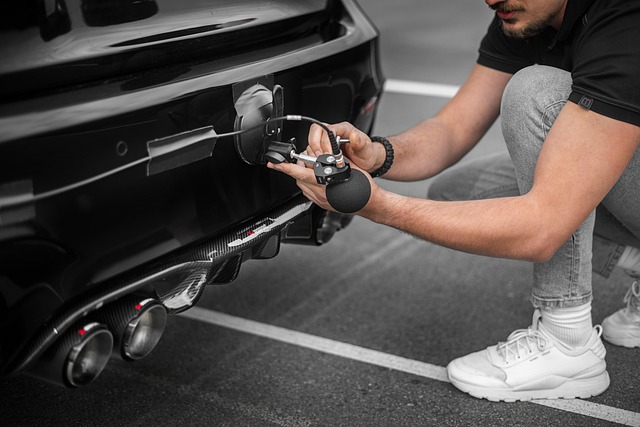
Registering a car in California involves several steps, with meticulous attention required during the application process. This crucial phase ensures vehicle safety and compliance with state regulations. The primary step is to gather all necessary documents, including proof of ownership, vehicle identification number (VIN) verifier data from a trusted source like a mobile VIN verifier, insurance details, and registration fees. It’s recommended to start this process well in advance of your desired registration date to avoid last-minute hassles.
A key element in the application is accurately completing the Registration Application form. This involves providing detailed information about the vehicle, its previous owners, and any modifications made. Here, a mobile VIN inspection can prove invaluable, as it allows for quick verification of the VIN number, a critical data point that ensures your application’s accuracy and prevents potential errors or fraud. For instance, California’s Department of Motor Vehicles (DMV) offers an online form to apply, but some users find the process more seamless using mobile VIN verification apps, which streamline data entry by automatically pulling in vehicle details from the VIN.
Once all required fields are filled out, you must submit your application along with the requisite fees. The DMV provides various options for submission, including mail and in-person visits. However, given the current digital trend, many prefer using online platforms or mobile apps, especially those offering a mobile VIN verifier integrated into their services. This approach not only simplifies the process but also enhances accuracy, ensuring your car’s registration is completed efficiently and without complications.
Submitting and Paying for Your Car Registration

When submitting your car registration application in California, you’ll need to follow a structured process to ensure a smooth experience. After gathering all required documents—including proof of insurance, vehicle ownership, and identification—the next crucial step is submitting and paying for your car registration. This involves utilizing the state’s designated channels to register your vehicle, which can be done online or in-person at a California Department of Motor Vehicles (DMV) field office.
To begin, you’ll need to access the official DMV website, where you can find forms specifically tailored to registering a vehicle. Fill out these forms accurately, providing detailed information about your car—including its make, model, year, and unique Vehicle Identification Number (VIN). A key aspect of this process is ensuring accurate VIN inspection, which can be facilitated through a mobile VIN verifier or a traditional inspection at a certified station. This step is vital to prevent fraud and ensure the vehicle’s history is accurately represented.
Once your application is complete, it’s time to submit the required fees alongside your documents. California has established clear guidelines for registration costs, which vary based on factors like vehicle type and age. Payment can typically be processed online or in-person using secure methods accepted by the DMV. After successfully submitting your application and payment, you’ll receive your registered vehicle documents in the mail, officially registering your car according to California regulations. This meticulous process ensures that every vehicle on California’s roads is properly documented and inspected, enhancing road safety and facilitating efficient vehicle management.
By systematically navigating California’s car registration requirements, from understanding essential documents to utilizing a VIN verifier for precise data entry, you can streamline the registration process. Completing the application with care ensures accuracy, while timely submission and payment secure your vehicle’s legal status. This article has empowered you with invaluable insights, serving as a comprehensive guide to effortlessly register your car in California, reinforcing the importance of meticulous documentation and technology like the VIN verifier.