

Registering a car in California is not just a bureaucratic task—it’s a crucial step towards legally operating your vehicle on state roads. However, navigating the process can be challenging, with numerous requirements and potential pitfalls. This authoritative guide is designed to demystify the car registration process, offering clear steps and expert insights tailored to California’s unique regulations. From understanding the necessary documents to emphasizing the critical role of DMV VIN verification, we’ll equip you with the knowledge to register your vehicle smoothly and confidently.
- Prepare Required Documents for Car Registration
- Visit California DMV: Step-by-Step Guide
- Perform DMV VIN Verification: Ensuring Vehicle Authenticity
- Pay Registration Fees: Understanding Costs and Payment Methods
- Maintain Your Registered Vehicle: Important Post-Registration Steps
Prepare Required Documents for Car Registration

To register your car in California, preparing the necessary documents is a critical step that requires meticulous attention to detail. Among these, the Vehicle Identification Number (VIN) verification stands out as a crucial process, ensuring the authenticity and legality of your vehicle’s registration. The California Department of Motor Vehicles (DMV) mandates this step, which involves confirming the VIN through official channels, typically by engaging in a mobile VIN inspection or using a reliable mobile VIN verifier.
A common misconception among car owners is assuming that any old proof of ownership will suffice. However, for a seamless registration process, you must provide a current and accurate VIN record. This verification ensures your vehicle’s history is free from discrepancies and potential fraud. In California, where vehicle theft and identity fraud are significant concerns, this step plays a pivotal role in maintaining the integrity of their transportation records. It’s advisable to utilize trusted mobile VIN inspection services or apps that can provide immediate, official verification, streamlining the registration process.
For instance, many mobile VIN verifiers offer real-time data access, allowing you to confirm your vehicle’s history and details instantaneously. This modern approach not only saves time but also enhances accuracy, reflecting the state’s commitment to adopting efficient, secure digital systems for car registration. By embracing these technological advancements, such as mobile VIN verification, California drivers can ensure their vehicles’ legitimate status while simplifying the administrative process.
Visit California DMV: Step-by-Step Guide

Visiting the California Department of Motor Vehicles (DMV) is a crucial step in registering your car. Here’s a detailed, step-by-step guide to ensure a smooth process. First, gather all necessary documents, including your vehicle’s registration papers, proof of insurance, and identification like a driver’s license or state ID card. Once prepared, head to your nearest DMV office, where you’ll interact with knowledgeable staff who can assist with any questions.
Start by locating the appropriate counter for vehicle registration. A DMV representative will guide you through filling out forms, which involve providing detailed information about your car, including its make, model, year, and unique Vehicle Identification Number (VIN). This VIN verification is a critical aspect of the registration process, ensuring accuracy and security. You might be interested in utilizing a mobile VIN verifier for this step, as it offers convenience and ensures reliable data capture—a significant advantage in today’s fast-paced world.
If issues arise during the initial submission, don’t despair. The DMV staff is equipped to help resolve problems, whether it’s missing documents or discrepancies in your information. They may also suggest alternatives, such as using a mobile VIN inspection service, which can be particularly useful for those with busy schedules. For instance, many mobile services offer same-day appointments and on-site verification, streamlining the entire registration experience. Keep in mind that California DMV guidelines govern this process, ensuring fairness and efficiency throughout.
Perform DMV VIN Verification: Ensuring Vehicle Authenticity

Registering a car in California involves several steps to ensure your vehicle is legally compliant and safe for road use. One critical aspect of this process is performing a DMV VIN (Vehicle Identification Number) verification, which serves as a crucial check on vehicle authenticity. This step is essential to prevent theft and ensure you’re dealing with a legitimate vehicle. The California Department of Motor Vehicles (DMV) offers various methods for VIN inspection, including mobile vin verifier options that allow for convenient and efficient verifications.
When undergoing DMV VIN verification, it’s important to understand that the Vehicle Identification Number is a unique code that provides vital information about your car. This 17-character alphanumeric code contains data regarding the vehicle’s make, model, year, and production plant. A mobile vin verifier can be particularly useful in this process, as it allows for real-time scans of this critical information against DMV databases. Examples of such verifiers include user-friendly apps and devices that can swiftly cross-reference your VIN with official records, helping to quickly identify any discrepancies or issues.
Data from the DMV indicates that proper VIN inspection reduces the risk of identity theft and fraudulent transactions significantly. By ensuring the vehicle’s history is clean and accurate, you protect yourself from potential legal complications and financial losses. It’s advisable to choose a reputable mobile vin verifier to guarantee reliable results. These tools are designed to provide instant feedback, allowing you to address any issues promptly before proceeding with registration. This proactive approach not only streamlines the registration process but also contributes to California’s overall efforts to maintain a safe and secure vehicle registry.
Pay Registration Fees: Understanding Costs and Payment Methods
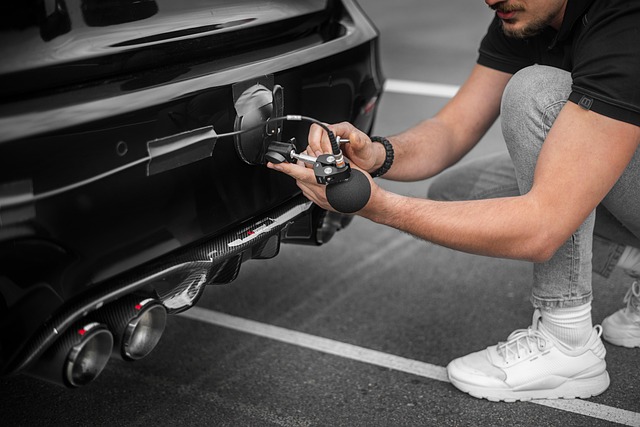
Registering a car in California involves several crucial steps, and understanding the associated costs is paramount to ensuring a smooth process. One of the key aspects to navigate is paying registration fees, which vary based on vehicle type and age. The California Department of Motor Vehicles (DMV) offers various payment options, making it convenient for owners to settle these charges. Typically, fees cover vehicle registration, license plate fees, and emissions testing or inspection, with additional costs for specialized plates or custom features.
When preparing to make this transaction, consider utilizing a mobile VIN verifier to streamline the process. This digital tool enables accurate and efficient verification of your vehicle’s identity through its unique 17-character Vehicle Identification Number (VIN). By employing a mobile vin verification service, you can confirm your car’s details quickly, ensuring accuracy during registration at the DMV. It’s essential to check with your local DMV for specific fee structures and any applicable discounts or waivers. For instance, certain low-emission vehicles may qualify for reduced rates, reflecting California’s commitment to environmental initiatives.
As part of the registration process, you’ll likely encounter several payment methods accepted by the DMV, including cash, credit/debit cards, and checks. Online payment options are also increasingly popular, offering convenience and often faster processing times. It’s advisable to review the DMV’s guidelines regarding mobile vin inspection 1-3 times before heading to the office to ensure a hassle-free registration experience and to be prepared with any necessary documentation.
Maintain Your Registered Vehicle: Important Post-Registration Steps

Maintaining your registered vehicle involves several crucial steps, ensuring your car remains legally compliant and safely operable. One of the essential post-registration actions is completing a DMV VIN verification process, which confirms the vehicle’s identity and ensures it meets safety standards. This step is particularly vital for California residents, as the state Department of Motor Vehicles (DMV) strictly enforces vehicle registration regulations.
For convenience and accuracy, many drivers opt for mobile VIN inspection services, allowing them to verify their car’s Vehicle Identification Number (VIN) on-site. These mobile vin verifiers provide a straightforward solution, especially when preparing to sell or transfer ownership. By utilizing these services, you can avoid potential issues related to incorrect information, ensuring a smooth registration process. For instance, in California, where vehicle theft is a concern, accurate VIN data plays a pivotal role in preventing fraud and protecting owners’ interests.
Regularly checking your vehicle’s condition and maintaining proper documentation are integral parts of ownership responsibility. This includes keeping records of all inspections, repairs, and maintenance tasks. Moreover, staying informed about any recalls specific to your make and model is essential for safety and legal compliance. By proactively addressing these post-registration tasks, California drivers can confidently navigate the roads, knowing their vehicles meet all necessary standards.
By meticulously preparing required documents, following a structured approach at the California DMV, ensuring accurate dmv vin verification, understanding registration fees, and adhering to post-registration maintenance, you can seamlessly register your car in California. This process not only ensures legal compliance but also safeguards your investment by verifying vehicle authenticity. Embrace these key insights to navigate the registration process efficiently and confidently, leaving you with a securely registered vehicle and peace of mind.