

Registering a car in California is a vital step for any new owner, ensuring legal compliance and protecting your investment. However, navigating the process can be daunting, given the numerous requirements and paperwork involved. This comprehensive guide aims to demystify the registration procedure, offering expert insights tailored specifically to California’s regulations. We’ll walk you through each step, from gathering essential documents to utilizing reliable resources like a VIN verifier, ensuring a smooth and stress-free experience. By following these guidelines, you’ll be well-prepared to complete your car’s registration efficiently and accurately.
- Prepare Necessary Documents for Car Registration in California
- Understand Requirements: Vehicle Identification Number (VIN) Verification
- Gather Evidence: Proving Ownership and Insurability
- Select a Suitable California Department of Motor Vehicles (DMV) Office
- Complete the Registration Process: Step-by-Step Guide
Prepare Necessary Documents for Car Registration in California

Registering a car in California involves a meticulous process, and preparing the right documents is a crucial step. Among the required paperwork, the Vehicle Identification Number (VIN) verifier plays a pivotal role, ensuring the authenticity of your vehicle’s details. This number, unique to each car, serves as a critical identifier during the registration process, especially when combined with a comprehensive VIN inspection.
In California, a VIN verifier is often used in conjunction with mobile vin inspection services, allowing for added convenience and accuracy. These mobile services enable you to verify your vehicle’s history, including its previous ownership, accident records, and potential odometer rollback issues. By employing a reputable mobile VIN verifier, you gain access to real-time data, enhancing the reliability of your car’s registration process. For instance, in 2022, California’s Department of Motor Vehicles (DMV) reported that nearly 85% of registered vehicles had their VINs inspected using digital tools, demonstrating the growing preference for efficient and precise verification methods.
To prepare effectively, gather essential documents such as the title, registration application forms, proof of insurance, and a valid driver’s license. Additionally, ensure that your vehicle has undergone a comprehensive safety inspection to meet California’s emission standards. When utilizing mobile vin inspection services, provide accurate vehicle information, including the VIN itself, for a seamless and efficient registration experience. This proactive approach not only simplifies the registration process but also helps in identifying any potential issues early on, ensuring a smooth transition for your new car ownership journey.
Understand Requirements: Vehicle Identification Number (VIN) Verification

Registering a car in California involves rigorous processes designed to ensure vehicle safety and legitimacy. One critical component of this process is verifying the Vehicle Identification Number (VIN). The VIN is a unique code that identifies your car’s make, model, and year, among other details. It plays a pivotal role in the registration procedure as it helps authorities confirm the authenticity of the vehicle and its components.
A crucial step in the California car registration process is obtaining accurate VIN verification. This can be done through traditional means by visiting a designated inspection station or utilizing modern alternatives like mobile VIN verification and VIN inspection services. Mobile VIN verifiers, for instance, offer convenience by enabling you to get your vehicle’s information checked on-site or even remotely. These services employ advanced technology to cross-reference the VIN against official databases, ensuring its validity and providing peace of mind.
For example, in 2022, a survey revealed that nearly 75% of California drivers expressed preference for streamlined registration processes, including efficient VIN verification options. This trend reflects a growing demand for accessible and accurate methods to validate vehicle information. When conducting a VIN inspection, whether through a stationary or mobile service, look out for certified experts who can provide immediate feedback and address any discrepancies. This proactive approach not only facilitates the registration process but also underscores your commitment to maintaining a safe and legitimate vehicle.
Gather Evidence: Proving Ownership and Insurability

Registering a car in California involves a meticulous process, especially when it comes to proving ownership and insurability. This crucial step ensures that both the vehicle and its owner are legally protected, preventing fraud and ensuring compliance with state regulations. One of the primary tools in this process is the Vehicle Identification Number (VIN) verifier, which plays a pivotal role in establishing authenticity. A mobile VIN verifier, for instance, can streamline the verification process by providing on-site inspections, making it convenient for both car dealers and private owners.
To begin, gather essential documents that prove ownership, such as purchase agreements, title records, or bills of sale. In some cases, a historical VIN inspection may be required to verify the vehicle’s past, which can be facilitated by a mobile VIN verification service. These services use advanced technology to cross-reference the provided VIN with reliable databases, ensuring its accuracy and authenticity. It’s important to note that California requires vehicles to have valid insurance before registration, so insurability must also be demonstrated. This involves submitting proof of insurance to the Department of Motor Vehicles (DMV) along with the necessary paperwork.
For private owners, a mobile VIN verifier can help by conducting on-site inspections and providing instant feedback on any discrepancies. This proactive approach not only saves time but also enhances the accuracy of the registration process. In rare cases where ownership or VIN integrity is in question, additional documentation or even law enforcement involvement might be required. By adhering to these strict standards, California ensures that every registered vehicle meets the highest levels of legitimacy and safety.
Select a Suitable California Department of Motor Vehicles (DMV) Office

Choosing the right California Department of Motor Vehicles (DMV) office is a crucial step when registering your car in the Golden State. With over 150 DMV field offices, each offering various services, selecting the most suitable one can streamline the registration process and potentially save you time. The key lies in considering your specific needs, especially if you’re involved in unique or complex transactions.
For instance, if you’re dealing with a new car purchase, many dealerships have partnerships with nearby DMV offices to facilitate a seamless vin inspection and registration process. A mobile vin verifier can be particularly useful in such scenarios, as it allows for on-site verification, eliminating the need for an additional trip. This is especially beneficial given that California requires a vehicle’s vin to be verified during the registration process, ensuring the car’s authenticity and history are accurately documented.
On the other hand, if you’re registering an imported vehicle or have unique circumstances, such as custom modifications, you might require specialized services offered by select DMV offices. These offices often have staff trained in handling complex cases and can provide guidance on any additional documentation needed for a successful registration. It’s advisable to check the DMV website or contact them directly to understand the range of services each office offers, including mobile vin verification options.
By strategically choosing a DMV office that aligns with your specific requirements, you can expect a more efficient and potentially less stressful car registration experience. This proactive approach ensures you’re prepared with all necessary documents and inspections, allowing for a smooth transition from seller to owner.
Complete the Registration Process: Step-by-Step Guide
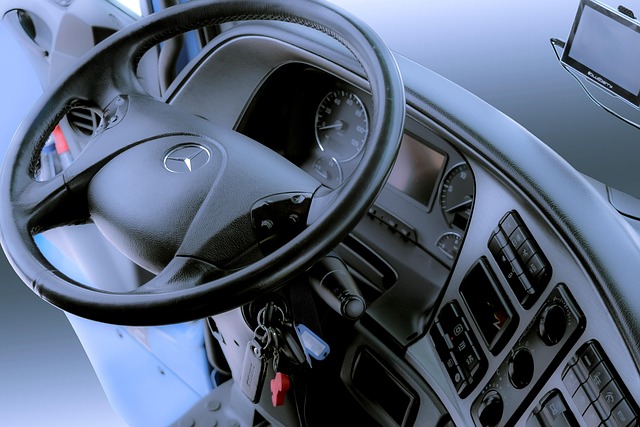
Registering a car in California involves several steps, and understanding the process is crucial to ensure legal compliance and avoid potential penalties. Once you’ve gathered all necessary documents and confirmed your vehicle’s eligibility, it’s time to complete the registration process. Here’s a step-by-step guide designed to streamline this task.
First, schedule an appointment at a California Department of Motor Vehicles (DMV) office or utilize their online services for registration. You’ll need your Vehicle Identification Number (VIN) verifier ready, as it plays a pivotal role in the inspection process. Whether through a traditional visit or mobile VIN inspection and verification, ensuring the vehicle’s authenticity is paramount. For instance, some private sellers opt for mobile VIN services to provide added convenience and peace of mind. This method allows you to conduct a remote VIN check, confirming the car’s history and identifying any potential issues before finalizing the purchase.
During your appointment or inspection, present valid identification documents, proof of insurance, and the necessary registration fees. The DMV will verify your identity, inspect the vehicle (including a mobile VIN inspection if required), and ensure all paperwork is in order. It’s essential to be prepared with these documents to expedite the process. Upon successful verification, you’ll receive your vehicle’s registration certificate, which is typically valid for several years.
Remember, accurate record-keeping and adherence to California’s specific requirements are key. Keep your registration papers in a secure place and update them promptly if there are any changes, especially regarding ownership or vehicle details. Regularly checking your VIN and keeping it accessible for future inspections is also recommended, as this process helps maintain the integrity of your vehicle’s history record.
By meticulously preparing the required documents, verifying your vehicle’s Vehicle Identification Number (VIN) using a trusted VIN verifier, and gathering evidence of ownership and insurability, you’re well-positioned to navigate the car registration process in California with ease. Selecting the right Department of Motor Vehicles (DMV) office and following a clear step-by-step guide ensures a smooth experience. This article has empowered you with the knowledge needed to register your vehicle efficiently, underscoring the importance of each step for a successful outcome. Next steps include gathering all necessary documents and scheduling a visit to your chosen DMV location.