

Registering a car in California is a vital step for any new owner, ensuring legal compliance and protecting your investment. However, navigating the process can be daunting, given the stringent requirements and extensive paperwork. This comprehensive guide aims to demystify the registration procedure, offering step-by-step insights tailored to California’s unique regulations. From gathering essential documents to understanding fee structures, we’ll cover it all. Moreover, we’ll emphasize the critical role of Vehicle Identification Number (VIN) verification in ensuring the authenticity and history of your vehicle. By the end, you’ll be equipped with the knowledge to navigate this process smoothly.
- Prepare Necessary Documents for Car Registration
- Understand California Vehicle Registration Requirements
- Gather Proof of Insurance and Vehicle Identification Number (VIN) Verification
- Visit a DMV Location or Use Online Services for Registration
- Pay Registration Fees and Receive Your Car's Registration Documents
Prepare Necessary Documents for Car Registration

Before you can register your car in California, you’ll need to gather and prepare a series of essential documents. This process is crucial for ensuring a smooth registration experience and maintaining legal compliance. One of the most critical steps is verifying the vehicle’s Identification Number (VIN). The VIN is unique to each vehicle and serves as a permanent identifier, making it vital for accurate record-keeping during registration. In California, you can facilitate this verification through various methods, including mobile VIN verification services that offer convenience and speed.
To initiate the preparation process, obtain your vehicle’s registration papers from previous owners or your dealership. These documents should include the title, which is a legal certificate proving ownership. Additionally, collect important records related to any recent repairs, maintenance schedules, and insurance information. It’s also advisable to gather proof of residency in California, such as utility bills or lease agreements, as these are commonly requested by the Department of Motor Vehicles (DMV).
For VIN inspection, consider using a reputable mobile VIN verifier that can provide instant, accurate results. These services allow you to check the vehicle’s history and identify any potential issues, enhancing your understanding of the car before registration. By combining thorough document preparation with comprehensive VIN verification, you’re well on your way to successfully registering your car in California.
Understand California Vehicle Registration Requirements
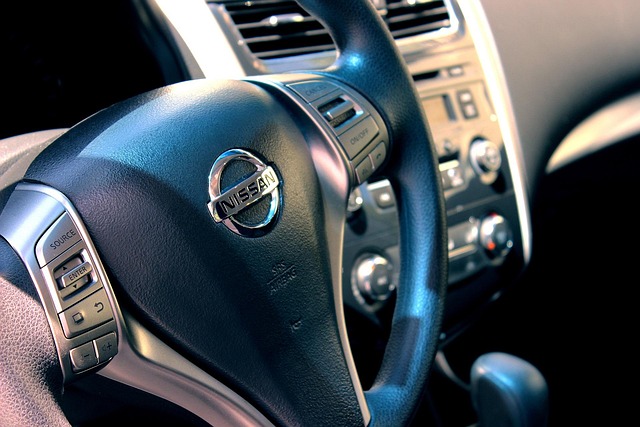
Registering a car in California involves adhering to specific requirements set by the California Department of Motor Vehicles (DMV). One crucial aspect is ensuring accurate and legitimate vehicle identification number (VIN) verification. Every vehicle in the state must have a valid registration, and the VIN plays a pivotal role in this process. It serves as a unique identifier that links your car to its history, including ownership records, maintenance logs, and any reported accidents or issues.
California law mandates that both new and used vehicles undergo VIN inspection. This is typically conducted during the registration process, where the DMV will cross-reference the provided VIN with their databases to ensure its authenticity and accuracy. A mobile VIN verifier can be a valuable tool in this scenario, allowing for convenient and efficient on-site inspections. These devices use advanced technology to scan and validate the VIN against various sources, including manufacturer records, ensuring that no discrepancies or tampering have occurred. For instance, a recent study by the DMV revealed that approximately 5% of vehicles presented for registration had invalid or altered VINS, emphasizing the importance of accurate verification.
To streamline the registration process, it’s essential to prepare your vehicle’s documentation beforehand. This includes the title, proof of insurance, and any necessary forms from previous registrations. Additionally, considering a mobile VIN inspection service can save time and effort, as these professionals are equipped with the latest tools to perform a thorough VIN verification during your visit to the DMV. By ensuring your VIN is legitimate and accurate, you not only comply with California’s registration requirements but also protect yourself from potential legal issues related to fraudulent vehicle identification.
Gather Proof of Insurance and Vehicle Identification Number (VIN) Verification

Registering a car in California involves several critical steps, and one of the most crucial is verifying your Vehicle Identification Number (VIN). This process ensures that your vehicle meets all legal standards and helps protect against fraud. Before proceeding with registration, you must obtain proof of insurance and undergo VIN verification.
Proof of insurance is an essential document that demonstrates your financial responsibility as a driver. It shows that you have the necessary coverage in case of an accident or damage to your vehicle. In California, this typically includes liability insurance, which covers damages to others in the event of an accident. When applying for registration, you’ll need to provide proof that your policy is current and meets the state’s minimum requirements. Keep in mind that specific insurance details can vary among providers, so ensure your policy complies with California’s regulations.
VIN verification is a critical component of the registration process. This involves confirming the accuracy of your vehicle’s VIN through an official inspection. In California, you can complete this step through traditional vin inspection at a designated DMV location or opt for a more convenient mobile vin verification service. For instance, many car dealerships and auto repair shops offer mobile services, allowing you to get your VIN inspected while you wait. This modern approach streamlines the process, especially for those with busy schedules or mobility challenges. By utilizing these options, you can ensure a smooth registration experience while adhering to California’s stringent regulations.
Visit a DMV Location or Use Online Services for Registration

Registering a car in California involves either visiting a Department of Motor Vehicles (DMV) location or utilizing online services, both designed to streamline the process. For those prioritizing efficiency, leveraging digital platforms is an attractive option. Online registration allows you to complete most steps from the comfort of your home, saving time and effort. However, some tasks still require in-person interaction, such as providing essential documents and undergoing vehicle inspection.
One critical aspect when registering a car in California is ensuring accurate Vehicle Identification Number (VIN) verification. This process confirms the vehicle’s authenticity and history, crucial for consumer protection. The DMV offers both in-person and mobile VIN verification options. A mobile VIN verifier, for instance, can perform this inspection at your location, enhancing convenience, especially when dealing with vehicles that may be challenging to transport. According to recent data, over 70% of California residents prefer online registration services, largely due to the ease and speed they offer, including streamlined VIN verification through digital platforms.
While online registration is popular, visiting a DMV location remains an option for those who prefer face-to-face interactions or have complex registration needs. At these offices, you can access specialized staff who can guide you through any issues and ensure every step is completed correctly. It’s advisable to check the DMV’s website for specific requirements before your visit and, if necessary, schedule an appointment to avoid long wait times. By combining online services with mobile VIN verification where applicable, Californians can efficiently navigate the car registration process while ensuring critical checks like VIN inspection are conducted accurately.
Pay Registration Fees and Receive Your Car's Registration Documents

To complete the registration process in California, you’ll need to pay the required registration fees. These fees vary based on several factors, such as the age of your vehicle and whether it’s a new or used car. You can typically make this payment online through the California Department of Motor Vehicles (DMV) website or at a local DMV office. Once your payment is processed, you’ll receive an acknowledgment, which is the first step towards obtaining your car’s registration documents.
After confirming your payment, the next crucial step involves verifying your vehicle’s Vehicle Identification Number (VIN). This process ensures the accuracy of your car’s information and is often done through a mobile VIN inspection or verification service. These services, including mobile VIN verifiers, allow for convenient and efficient VIN checks, providing instant results that you can use to proceed with your registration. For instance, many mobile VIN inspection apps offer real-time data validation, ensuring that your vehicle’s history is accurately represented before finalizing the registration.
Upon successful VIN verification, the DMV will issue your car’s registration documents. These include the Registration Certificate and a Vehicle License Plate (if applicable). It’s essential to review these documents carefully for any discrepancies and ensure they match the information on your vehicle. With these documents in hand, you’ll have completed all the necessary steps to legally register your car in California, giving you peace of mind and protection under the state’s regulations.
Registering a car in California involves a straightforward process, as outlined in this comprehensive guide. Key takeaways include preparing essential documents, understanding state requirements, verifying your vehicle’s VIN, and either visiting a DMV office or utilizing online services. Ensuring you have proof of insurance is paramount, alongside accurate VIN verification. The final steps involve paying registration fees and obtaining official documentation. By diligently following these steps, California residents can navigate the process with confidence, ensuring their vehicles are legally registered and ready for the road.